Risk Intelligence for Leaders Navigating Uncertainty
Strategic insight from the quietest seat in the boardroom
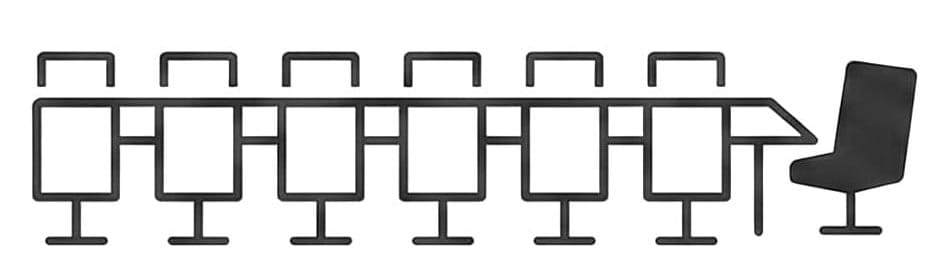
The Risk Philosopher examines how risk is actually encountered inside organizations—not as frameworks or dashboards, but as judgment exercised under pressure by people who carry responsibility for decisions made before the full picture is available.
This is not commentary written after outcomes are known. This is written alongside live organizational dynamics, incomplete information, and structural constraint—where risk must be interpreted and acted upon before it can be fully measured.
The Problem Most Risk Frameworks Miss
Traditional risk management assumes three things that rarely hold under pressure:
- Organizations can see problems coming - through early warning systems, escalation protocols, and governance oversight.
- Decision-makers have accurate information - delivered through committees, dashboards, and reporting lines.
- People will speak up when something matters - because escalation paths exist and organizational culture encourages transparent.
In practice, none of these assumptions survive contact with how organizations actually work.
What happens instead is subtler and more dangerous. Organizations develop structural antibodies against uncomfortable truth. Not through malice or incompetence—through the accumulated weight of small, rational choices made by capable people operating inside systems that quietly punish honesty and reward procedural compliance.
Risk rarely announces itself. It accumulates quietly, through delayed seriousness, small compromises, and decisions made under constraint. By the time frameworks catch up, the capacity to act has already eroded.
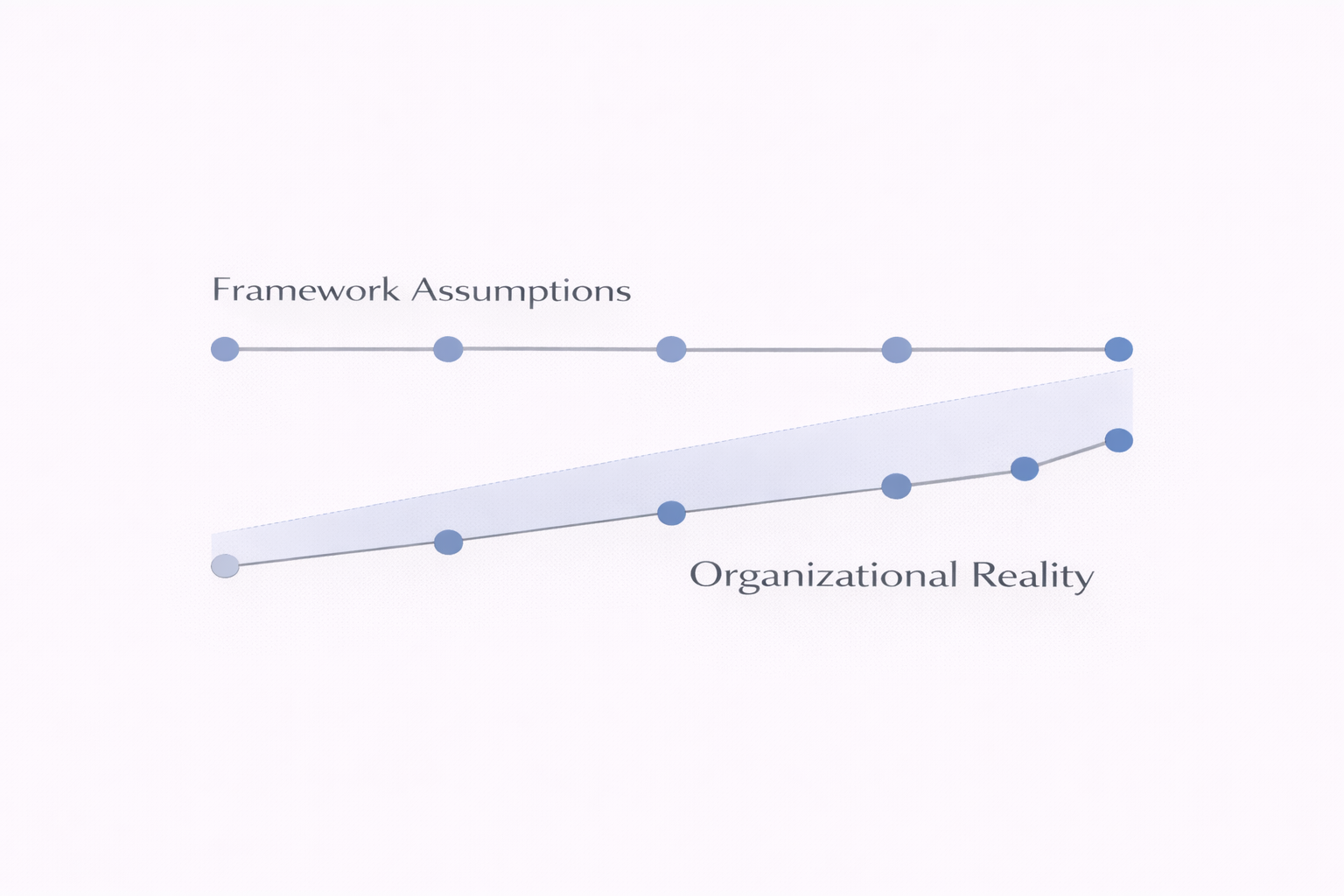
This gap—between how risk is supposed to be governed and how it actually moves through organizations—is what The Risk Philosopher examines.
What Makes This Perspective Different
Most risk commentary is written from three positions:
- Consultants selling frameworks - prescriptive, optimistic about organizational capacity.
- Academics studying past failures - analytical but disconnected from live constraints.
- Journalists covering crises - reactive, focused on what went wrong after visibility forced action.
The Risk Philosopher writes from a fourth position: the practitioner carrying responsibility for judgment under uncertainty.
This means:
- Understanding how incentive structures actually shape behavior
- Recognizing why capable people stay silent about visible risks
- Seeing how governance shifts from judgment to performance without anyone noticing
- Watching decisions fade after meetings despite unanimous agreement
- Carrying the gap between what frameworks promise and what organizations can actually deliver
This is not outsider analysis. This is written from inside the room where risk is discussed, escalation is weighed, and accountability quietly fragments across committees that review dashboards showing last month’s reality while this month’s risks are already materializing.
The Two Areas TRP Examines
Emerging Risks: Analysis While Threats Are Still Forming
Most risk analysis happens after risks have been formally named, categorized, and fit into existing frameworks. By then, the organizations best positioned to act have already missed the window where early response mattered most.
Emerging Risks posts examine threats while they’re still forming:
- AI governance gaps that appear not in model validation but in how credit committees stop disagreeing with algorithms.
- Climate risk that materializes not as physical events but as balance sheet assumptions about stability that no longer hold.
- Geopolitical shifts that don’t create new exposures but reveal dependencies organizations had normalized as permanent.
- Technological change that moves faster than governance structures can adapt, creating temporal mismatches frameworks can’t close.
This is forward-looking intelligence written for practitioners who need to make decisions before consensus forms—when frameworks lag and judgment must operate ahead of formal risk categories.
Published biweekly on Tuesdays.
See the latest Emerging Risks posts here.
Risk Judgment: How Organizations Misjudge What Matters
Even when risks are visible, organizations consistently misjudge which ones matter and what response is appropriate. Not because people lack information, but because the structures meant to support judgment systematically degrade under pressure.
Risk Judgment posts examine how collective judgment fails:
- Why capable leaders stay silent about risks they can clearly see.
- How sound decisions fade after meetings without being rejected.
- When governance shifts from substantive oversight to procedural validation.
- How escalation paths that exist on paper stop functioning under constraint.
- Why accountability fragments across so many committees that no one actually owns the decision.
- The tempo problem: governance operating monthly while risk moves continuously.
These aren’t post-mortems. These are diagnostic examinations of patterns that repeat across industries—mechanisms that compound to dismantle an organization’s ability to respond exactly when response matters most.
Published weekly on Thursdays.
See the latest Risk Judgment posts here.
The Series: Multi-Part Deep Dives
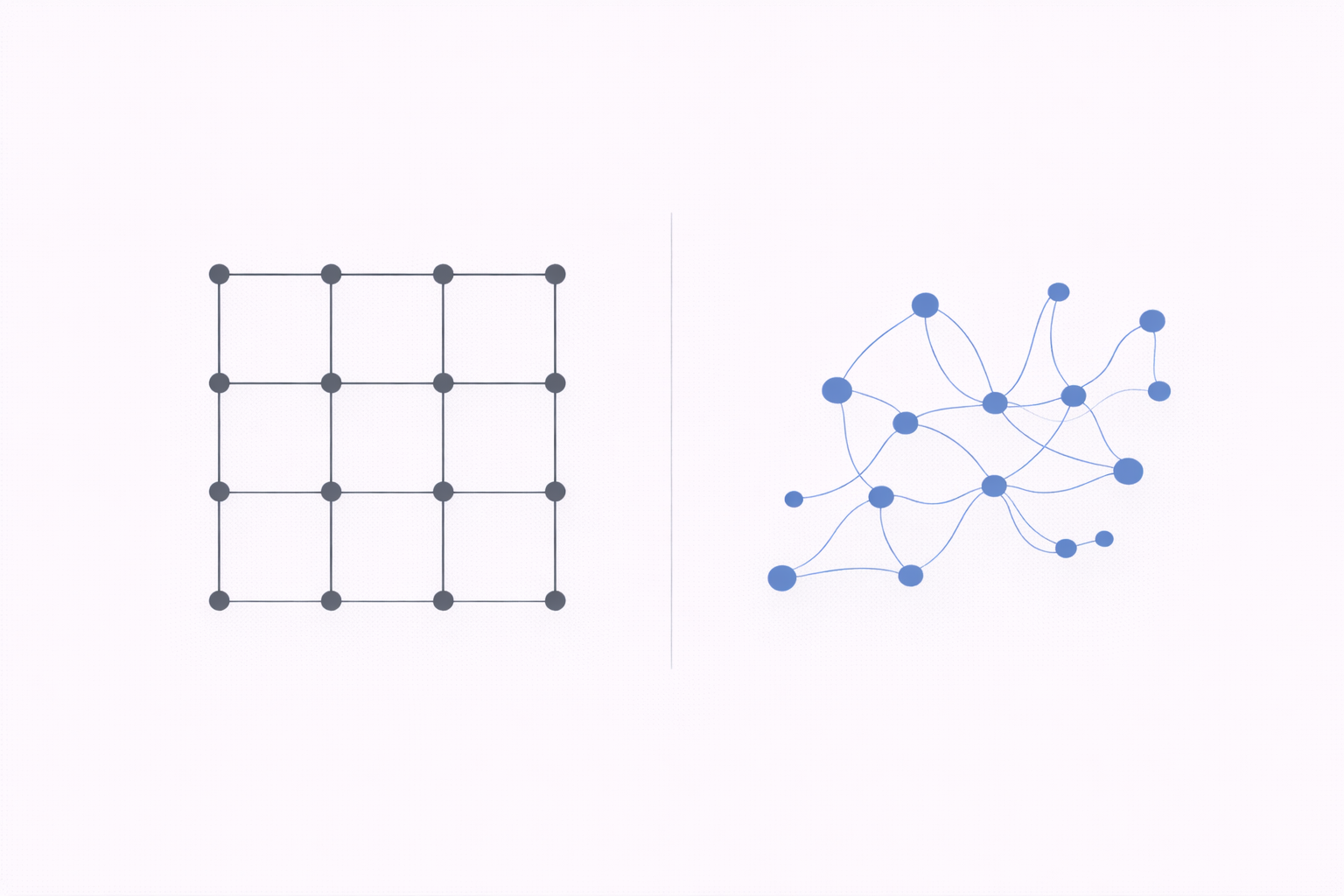
Some patterns can’t be examined in a single post. They require building from foundational observations through structural implications, showing how mechanisms compound to create systematic organizational failure.
Series are 4-8 posts exploring specific risk domains or organizational failure patterns. Each series is designed to be read in sequence, with each post building on the previous to trace complete diagnostic arcs.
See the full list of series here.
Who This Is Written For
This work is for practitioners who:
- Carry responsibility for judgment under uncertainty - making decisions before information is complete.
- Navigate the gap between governance theory and organizational reality - seeing how structures that should work often don’t.
- Recognize patterns of institutional failure - watching risks materialize that everyone could see coming.
- Need diagnostic clarity without prescriptive theatre - understanding what’s breaking and why, without being sold frameworks that promise more than they can deliver.
The perspective is senior, but the focus is not authority—it is responsibility.
This is written for people who know that risk rarely arrives as crisis. It accumulates through small compromises, delayed seriousness, and organizational dynamics that make speaking up professionally costly. It’s for practitioners who’ve watched governance become performance, seen accountability fragment until no one owns the decision, and carried the weight of knowing that by the time frameworks catch up, the window for effective response has already closed.
If you’ve ever stayed silent about a risk because speaking up felt professionally dangerous, if you’ve watched a sound decision fade into nothing despite consensus, if you’ve seen your governance committee review last month’s data while this month’s risks are already materializing—this is written for you.
What This Writing Is (and Isn’t)
This is:
- Diagnostic work on how organizations actually encounter risk.
- Pattern recognition from inside the constraint, not outside it.
- Written alongside uncertainty, not after outcomes are known.
- Focused on structural dynamics, not individual blame.
- Honest about what breaks and why traditional fixes don’t hold.
This is not:
- Prescriptive frameworks promising organizational transformation.
- Post-mortem analysis of crises after visibility forced action.
- Academic research disconnected from live constraints.
- Consulting theatre selling optimism about institutional capacity.
- Personal narrative or opinion-driven commentary.
The emphasis is on how judgment degrades in complex systems—how challenge becomes routine, how accountability scatters, and how institutions slowly lose the ability to explain why decisions are made, even as processes remain intact.
No prescriptions. No post-mortems. Just careful attention to how risk actually moves through people, power, and systems.
How to Engage With This Work
If you’re new: Start with the latest post in your area of focus (Emerging Risks for forward-looking threat analysis, Risk Judgment for organizational dynamics).
If a specific pattern resonates: Explore the Series page for multi-part deep dives that trace complete diagnostic arcs.
If you want regular insights: Subscribe to receive Emerging Risks analysis (biweekly, Tuesdays) and Risk Judgment deep dives (weekly, Thursdays). 6 posts per month. Series-based content. Frameworks and diagnostic tools.
If you want to stay visible: Follow The Risk Philosopher on LinkedIn for standing observations on risk patterns as they surface in real time.
The Perspective: From the Quietest Seat
The Risk Philosopher is written from the position of someone who:
- Has sat in rooms where consequential risk decisions are made.
- Understands how organizations actually behave under pressure.
- Recognizes the gap between governance frameworks and lived organizational reality.
- Carries responsibility for judgment when information is incomplete and stakes are high.
This is risk intelligence from practitioners, for practitioners—written with the clarity that comes from having carried the weight of decisions that couldn’t wait for perfect information.
The perspective is institutional but the voice is direct. The analysis is structural but the focus is human. The writing is measured but the stakes are real.
This is what risk looks like from the quietest seat in the boardroom—where judgment is formed, challenge is weighed, and responsibility is carried when frameworks stop working.